What if the whole arch could be done at once?
By the time someone asks us about All-on-4, they have usually had a long run of bad news. A denture that clicks at the wrong moment. Teeth that have been failing one at a time for a decade. A quote at home for a full arch that reads more like a car than a medical bill.
And the first questions are almost never technical. They are whether you will be able to eat a proper meal again, and whether anyone will be able to tell. Those are the questions we answer first, because they are the ones that actually matter to the person asking. Your scan is read by a Seoul surgeon before we say anything about timelines or cost, and if four implants are not the right foundation for your jaw, you will hear it from us early rather than discover it in a clinic chair. Everything below is written for the person deciding.
The basics
What this actually is
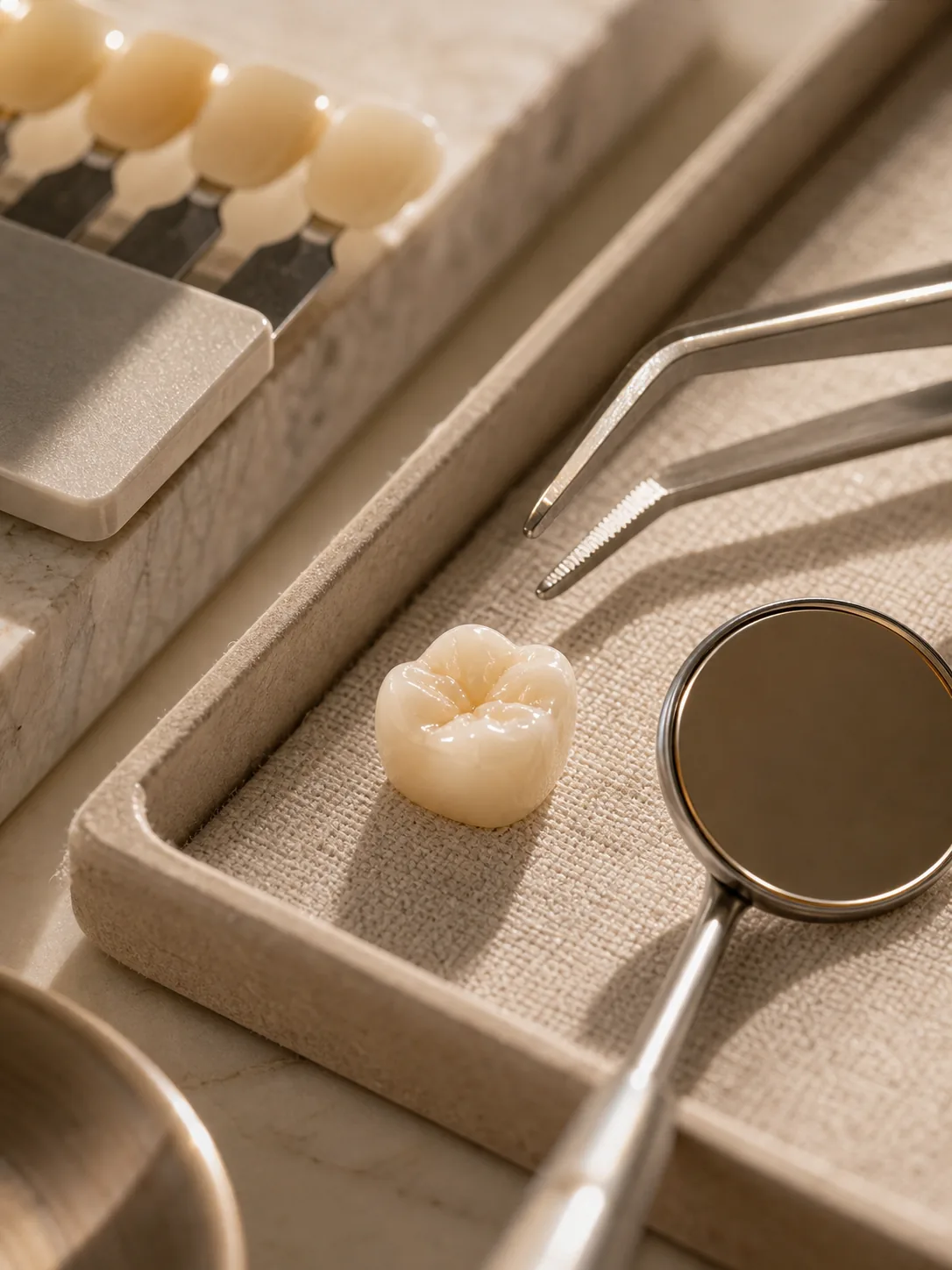
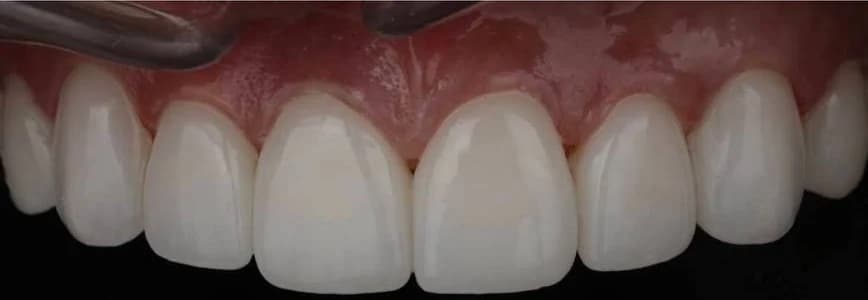
All-on-4 is a way to replace a full arch of missing or failing teeth using just four dental implants as the foundation for one fixed bridge. Instead of resting on the gums like a denture, the bridge is anchored to titanium implants set into the jawbone, so it stays firmly in place and does not come out. The name reflects the technique: two implants placed straight at the front and two angled toward the back, which lets the bridge span the whole arch even when back-of-jaw bone is limited.
It differs from a traditional denture in a few important ways. A denture sits on top of the gums, can shift while you eat or speak, and is removed for cleaning; an All-on-4 bridge is fixed and functions much more like natural teeth. It also differs from replacing every missing tooth with its own implant. That approach can require eight or more implants per arch, more bone, and more surgery. All-on-4 is designed to restore a full arch with fewer implants and, in many cases, less overall complexity.
People often choose All-on-4 because it offers a stable, non-removable result and, frequently, a temporary set of fixed teeth on the same day as surgery. For patients traveling to Korea, it can be an efficient way to address a whole arch at once with experienced surgical and prosthetic teams. Whether it is right for you depends on your bone, your health, and your goals, which is why careful planning matters more than the technique's reputation.
Candidacy
Is this right for you?

All-on-4 is often a good fit for adults who are losing or have lost most of the teeth in an arch (for example, people with advanced gum disease, multiple failing teeth, or long-standing gaps) as well as denture wearers who want something fixed and more stable. Good candidates usually have enough healthy jawbone in the front of the mouth to anchor the angled implants, are in reasonably good general health, and are non-smokers or willing to stop during healing, which supports better outcomes.
Not everyone is a straightforward candidate. Significant bone loss, especially in the upper jaw near the sinuses, may mean you need additional implants, bone grafting, or specialized zygomatic implants anchored in the cheekbone, options a surgeon can discuss after imaging. Uncontrolled diabetes, certain medications that affect bone, heavy smoking, active untreated infection, or a habit of grinding can raise risk or call for a different plan. An honest in-person assessment is the only way to know; a reputable clinic will tell you if All-on-4 is not the best choice for you.
Why Korea
Why people fly to Seoul for full-arch work
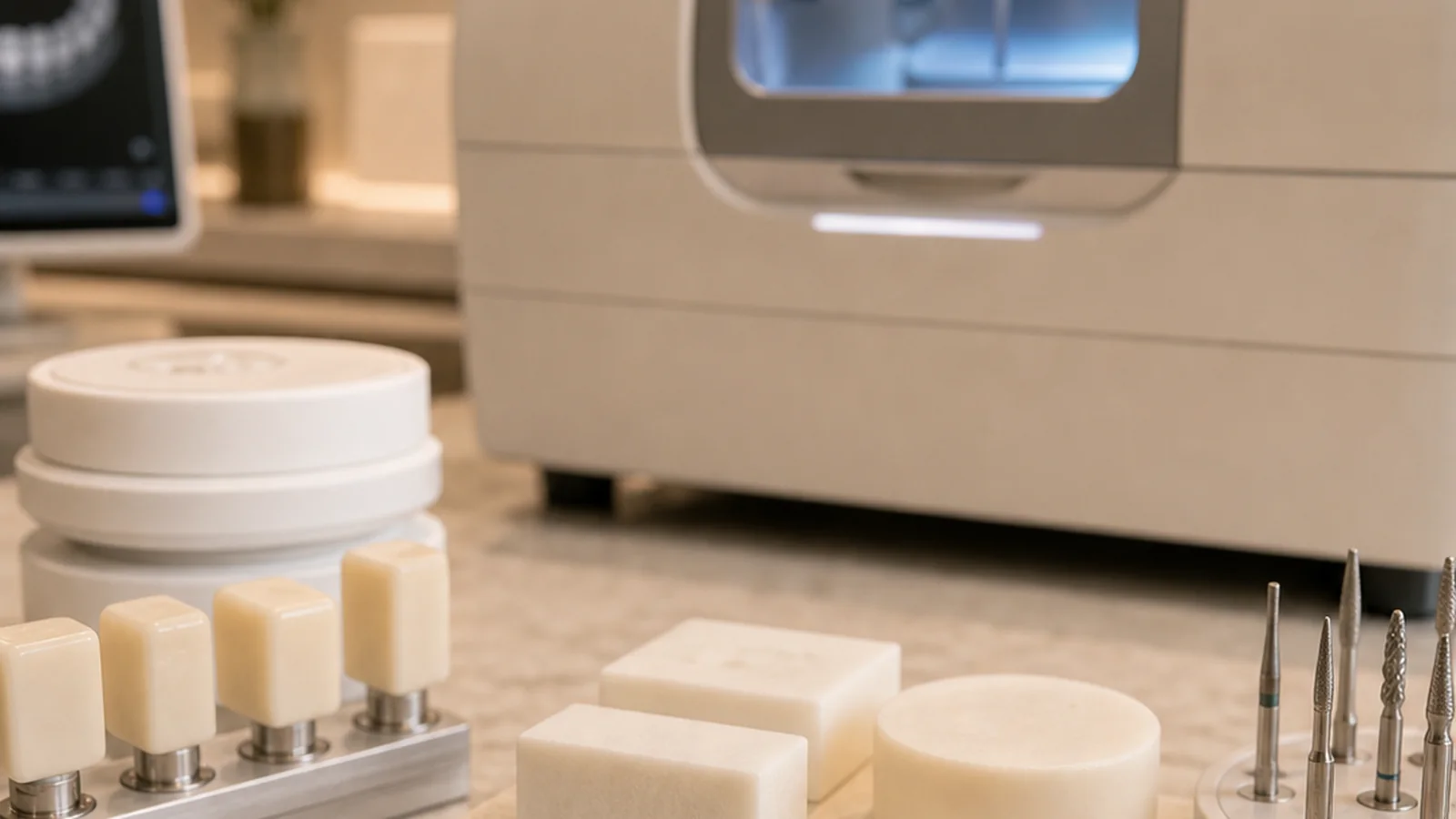
Full-arch cases need two kinds of expertise in the same building: a surgeon who places the implants and a prosthetic team who builds the bridge that sits on them. Seoul clinics that do this work at volume tend to have both, plus a lab on site, which is what makes a fixed temporary bridge on the day of surgery realistic rather than aspirational. Domestic fixture manufacturing keeps the per-arch cost far below US and European pricing for comparable work.
Volume matters more here than in almost any other treatment. Angling implants to avoid a sinus, planning a bite for teeth that do not exist yet, deciding when four is not enough. These are judgement calls that improve with repetition. It is also why you should ask about repetition specifically, rather than trusting that a clinic which does excellent single implants will handle a whole arch equally well.
What to look for when you compare clinics
Ask how many full arches the surgeon does a year
Not implants in general, but full arches specifically. It is a different procedure with different failure modes, and the number should be comfortable to answer.
Ask whether a prosthodontist is involved in the planning
The bridge design should influence where the implants go, not the other way round. If the restorative side only appears after surgery, the plan was half-made.
Ask what happens if your bone is thinner than expected
The answer should be specific: more implants, grafting, or zygomatic fixtures anchored in the cheekbone, and should come with whether they do that in-house or refer it on.
Ask what the final bridge is made of, and what it costs to repair
Acrylic, composite, and zirconia age very differently and cost very differently to fix. You will live with this choice for years, so make it deliberately.
Before you go
Getting ready for the trip

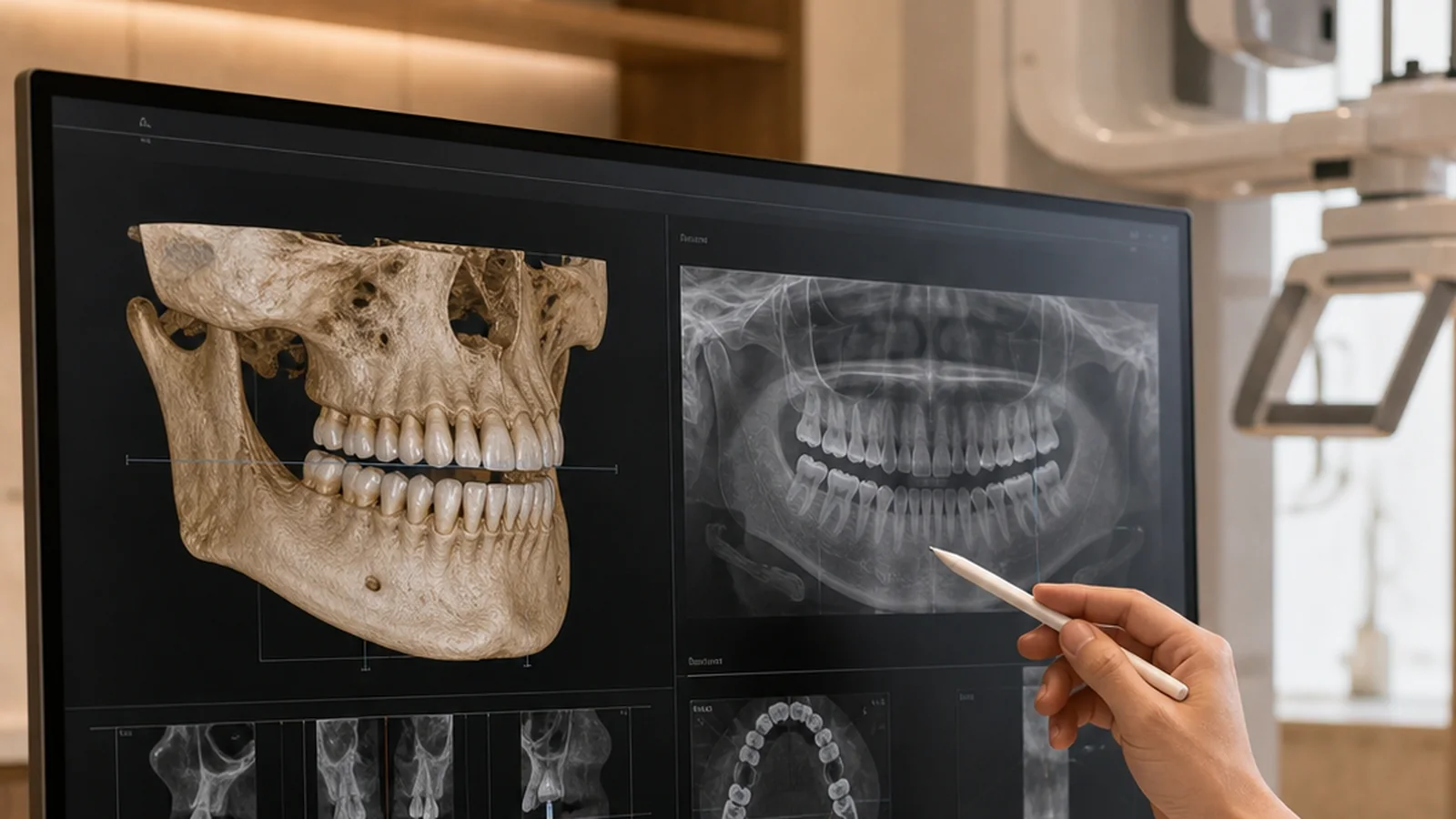
The most useful preparation is a 3D scan of your jaws. A CBCT (cone-beam CT) shows bone height, width, and the position of nerves and sinuses, and it is the basis for deciding whether four implants will work or whether you need more support. Many patients begin remotely by sharing existing scans, dental records, and photos, then have imaging repeated or completed once they arrive in Seoul. Share your full medical history too. Conditions, medications, allergies, and smoking status all shape the plan.
Because implants need time to fuse with bone, plan your trip around a healing window rather than a single quick visit. In practice this usually means budgeting for two stays: one for surgery and temporary teeth, and a later one for the final bridge. Come with realistic expectations. You can often leave the first surgery with fixed temporary teeth, but the polished, permanent result comes after healing. Ask your clinic for a written timeline and cost estimate before you commit.
During
What actually happens
- 1
Remote review and planning
Before you travel, the clinic reviews your photos, dental records, and any existing scans to gauge whether All-on-4 is realistic and to outline a provisional plan, timeline, and cost. This is also when you ask questions and decide together whether it is worth booking the trip.
- 2
In-person exam and 3D imaging
In Seoul, the team performs a full clinical exam and a CBCT scan, then finalizes the surgical plan: implant positions, angles, and how the arch will be restored. If imaging reveals limited bone, this is the point where zygomatic implants, grafting, or additional implants may be recommended before proceeding.
- 3
Surgery: extractions, implants, and same-day fixed teeth
On surgery day, any remaining hopeless teeth are removed, four implants are placed, and, in most cases, a temporary fixed bridge is attached the same day. This is what 'teeth in a day' means: you leave with non-removable temporary teeth. It is a real fixed bridge, but a provisional one, kept lighter while the implants heal.
- 4
The healing season
Over the next several months, often around three to six, the implants fuse with the bone, a process called osseointegration. During this time you wear the temporary bridge, eat a modified diet, and let the foundation become solid. This waiting period is why All-on-4 is usually a two-visit treatment rather than one.
- 5
Final permanent bridge
Once healing is confirmed, the clinic takes final impressions or scans and fabricates your definitive bridge, typically in a stronger, more refined material. This often happens on a second trip to Korea. The permanent bridge is fitted and adjusted for bite, fit, and appearance, the finished result you keep.
- 6
Follow-up and long-term care
After the final bridge is placed, the clinic checks that everything functions well and reviews how to clean around it. Ongoing check-ups and cleanings, which can be shared with a dentist at home between trips, help protect your investment over the years.
How do you know a clinic is any good?
Licence, sterilization, the lab, the follow-up plan. How to check each one from the other side of the world.
After
Afterwards, and how you'll feel

Expect some swelling, bruising, and tenderness in the first days after surgery; this is normal and usually eases within a week or so. Stick to a soft diet at first and gradually reintroduce firmer foods as your clinic advises. The temporary bridge is real and functional, but it is kept lighter while implants heal, so treating it gently protects the result. Follow instructions on medication, rinsing, and rest, and avoid smoking, which slows healing.
Keeping the area clean is essential. Your team will show you how to clean under and around a fixed bridge using specialized brushes, floss threaders, or a water flosser, since you cannot remove it. If you have traveled home during the healing window, most clinics offer remote follow-up by message or video and can coordinate with a local dentist if anything needs attention. Report unusual pain, looseness, or persistent swelling promptly rather than waiting.
The outcome
What to expect, and how long it lasts
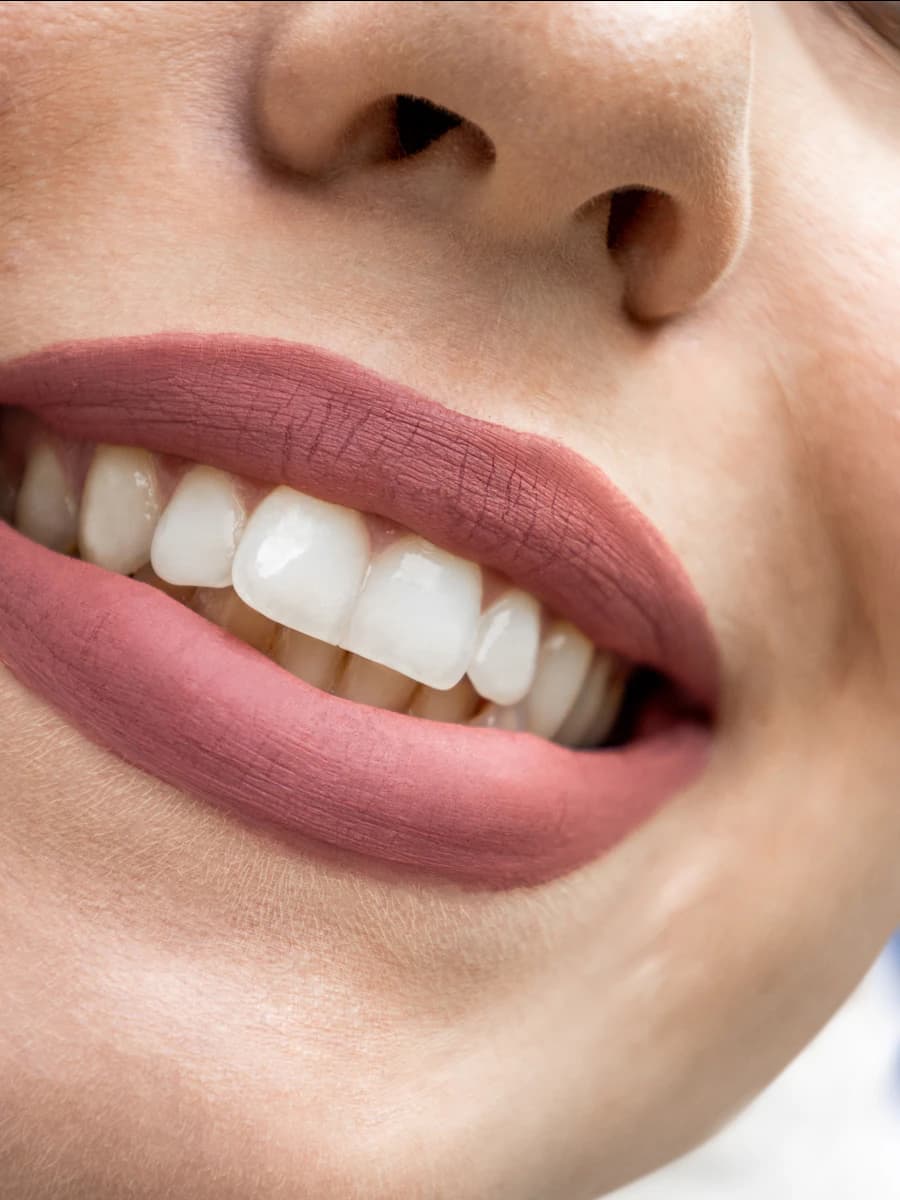
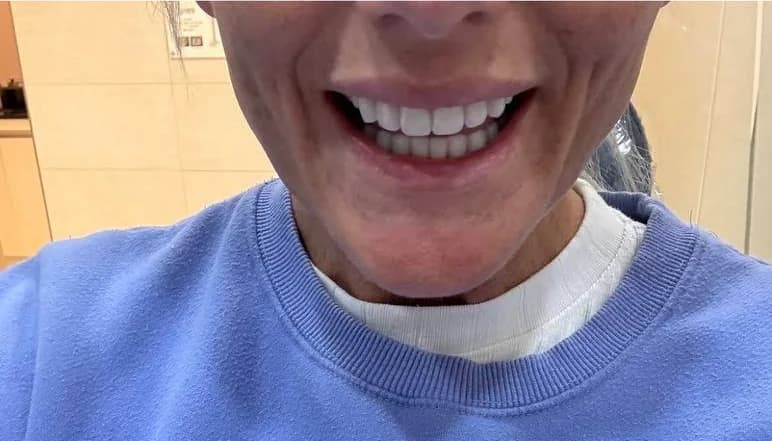
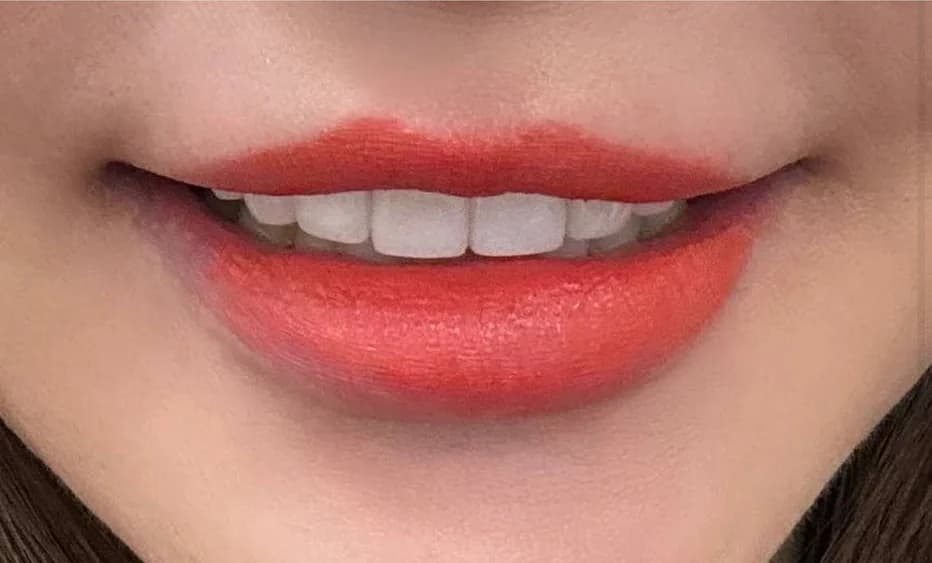
The goal of All-on-4 is a set of fixed, non-removable teeth that let you bite, chew, and speak with confidence and that look natural when you smile. For many people who have struggled with loose dentures or failing teeth, the return of stable function is the most meaningful change. The final bridge is designed to feel secure and to restore everyday comfort.
With good care, implants and a well-made bridge can last many years, though outcomes vary by individual and the bridge itself may need maintenance or eventual replacement over time. Longevity depends heavily on hygiene, regular professional check-ups, and habits like not smoking. Cleaning around the bridge daily and keeping up with cleanings, at home between trips and with your Korean clinic when you return, is the single biggest thing you can do to protect the result.
What it costs
Full-arch implant costs: Korea vs. US (typical 2026 ranges)
| Treatment | Korea range | US range |
|---|---|---|
| All-on-4 (per arch) | $8,000–15,000 | $24,000–35,000 |
| All-on-6 (per arch) | $9,500–18,000 | $28,000–40,000 |
| Single implant (fixture + crown) | $1,000–2,500 | $3,500–6,500 |
Typical ranges from Seoul clinics and medical-travel guides for international patients, 2025–26, using Korean fixture systems. Bone grafting, sinus lifts, and premium fixtures add cost. A dentist confirms your case from a CT scan, free.
Questions
Questions people actually ask
How much does All-on-4 cost per arch in Korea compared with home?
Costs vary widely by clinic, materials, and your specific case, but many international patients find per-arch pricing in Korea to be meaningfully lower than in the US, UK, or Australia. Because the range is broad, ask each clinic for a written, itemized estimate (including implants, the temporary and final bridges, and any grafting) and factor in travel and two trips when comparing.
Is All-on-4 one trip or two?
It is usually two. The first trip covers surgery and same-day temporary fixed teeth; after several months of healing, a second trip is typically needed to fit the permanent bridge. Some clinics can adjust timing to your situation, but planning for two visits is the realistic expectation.
Does the procedure hurt?
Surgery is done under local anesthesia, often with sedation options, so you should not feel pain during the procedure itself. Afterward, expect swelling and soreness for several days, which is generally well managed with prescribed medication and typically settles within a week or two.
How long does All-on-4 last?
The implants themselves can last many years, potentially decades, when they integrate well and are cared for, while the bridge may need maintenance or replacement over time. There are no guarantees, and longevity depends on your bone, your health, hygiene, and habits like avoiding smoking. Regular check-ups are key.
Is the bridge removable?
No. Unlike a denture, an All-on-4 bridge is fixed to the implants and stays in your mouth. You clean it in place with special brushes and floss. Only a dentist can remove it, for maintenance when needed.
Are the upper and lower arches different?
Yes, they can behave differently. The upper jaw has softer bone and sits near the sinuses, so it sometimes needs extra planning, additional implants, or zygomatic implants; the lower jaw is often denser and more straightforward. Healing times and the exact plan may vary between arches, which your surgeon will explain after imaging.